
High-Visibility Physical Media
Build brand presence across digital billboards, transit media, retail screens, venue placements, and other premium screen-based environments.
Programmatic digital out-of-home advertising built for real-world visibility, premium screen presence, and measurable campaign impact.
Sirius Ads helps organizations use digital out-of-home advertising as a high-visibility media channel within a larger programmatic media system. Through premium DOOH inventory access, strategic market planning, digital billboard advertising, place-based media opportunities, and Pulse by Sirius reporting, DOOH campaigns can support brand awareness, local market visibility, event promotion, and omnichannel campaign performance.
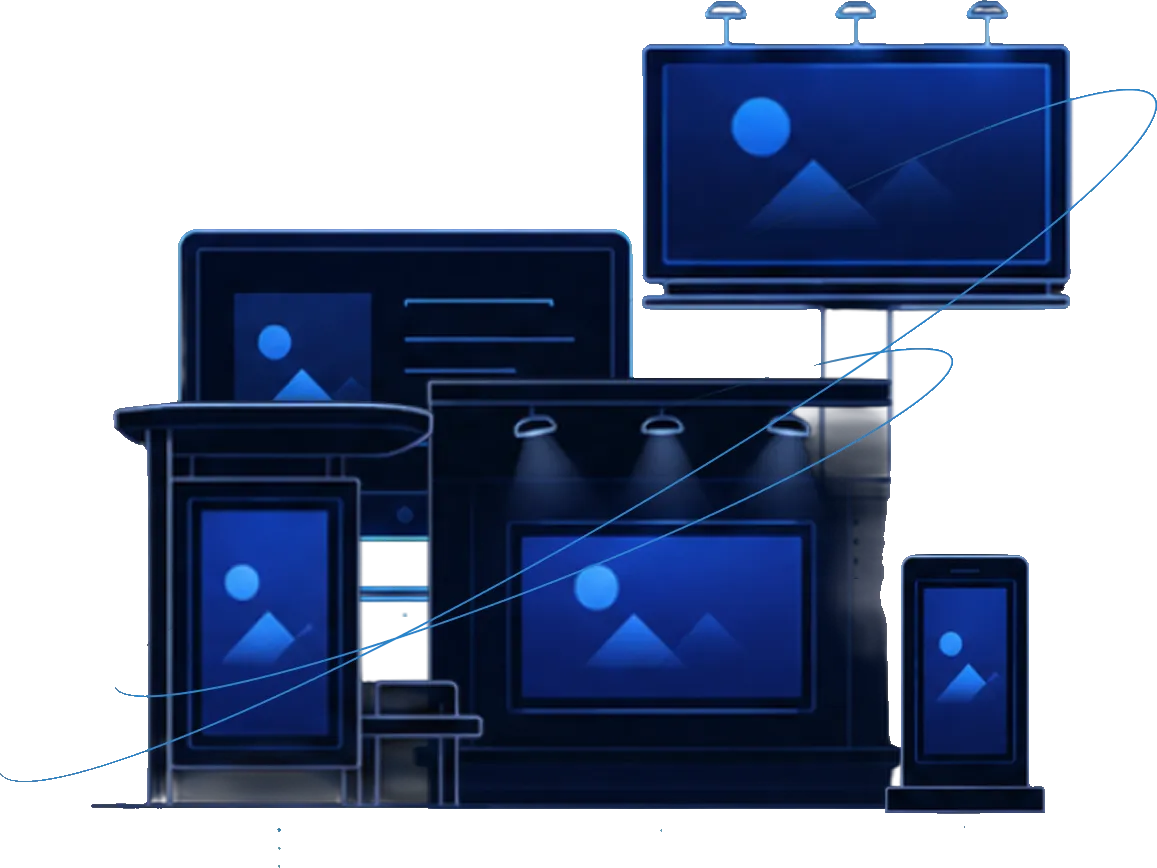
Digital out-of-home advertising gives organizations a powerful way to reach audiences through digital screens in physical environments.
DOOH placements may include digital billboards, transit displays, venue screens, retail media displays, office building screens, entertainment district placements, campus screens, healthcare environment screens, and other place-based digital media inventory.
Sirius Ads uses programmatic DOOH advertising to help organizations bring real-world screen visibility into a more strategic and accountable media-buying system.
Build brand presence across digital billboards, transit media, retail screens, venue placements, and other premium screen-based environments.
Use programmatic DOOH to support more flexible campaign activation, market control, screen placement strategy, and reporting visibility than traditional static outdoor media.
Create stronger visibility in the markets, corridors, venues, campuses, and public environments where campaign awareness matters.
Connect DOOH advertising with display, mobile, audio, video, Connected TV, native, GeoFencing, email, and retargeting channels to reinforce campaign impact.
Digital out-of-home advertising can serve multiple roles within a larger media strategy.
| Campaign Goal | How DOOH Advertising Supports It |
|---|---|
| Brand Awareness | Builds high-visibility exposure across screen-based physical media environments |
| Local Market Visibility | Creates presence in specific cities, corridors, neighborhoods, venues, and regions |
| Digital Billboard Advertising | Delivers large-format visibility in high-traffic market areas |
| Venue-Based Media | Places messaging in arenas, campuses, airports, convention centers, and entertainment districts |
| Retail & Place-Based Media | Supports visibility near shopping centers, storefronts, restaurants, and commercial areas |
| Transit Display Campaigns | Builds repeated exposure across commuter corridors and transportation environments |
| Event Promotion | Builds awareness around venues, conferences, community events, and high-attendance areas |
| Franchise & Multi-Location Campaigns | Supports consistent screen-based market presence across multiple territories |
| Omnichannel Reinforcement | Extends campaign messaging across display, mobile, audio, video, CTV, GeoFencing, native, and email |
DOOH advertising is especially valuable when an organization needs premium visibility in physical environments with stronger digital media strategy behind it.
Common use cases include:
Digital out-of-home becomes stronger when it is connected to a larger media system. Sirius Ads uses DOOH as a premium visibility layer designed to strengthen market presence, reinforce campaign messaging, and improve performance insight.
Sirius Ads approaches DOOH advertising as a strategic screen-based media channel, not a traditional outdoor placement buy.
Through Pulse by Sirius, digital out-of-home campaigns can be planned, activated, monitored, and measured with stronger alignment across market strategy, premium inventory access, screen placement planning, reporting, and attribution.
Sirius Ads can help organizations:
The result is a more accountable digital out-of-home advertising strategy built around premium visibility, screen placement strategy, and performance reporting.
Programmatic DOOH advertising allows organizations to activate digital out-of-home placements through data-informed media buying.
This helps campaigns move beyond static outdoor buys and into a more flexible model built around screen inventory, market timing, placement relevance, budget control, and reporting visibility.
Digital billboard advertising gives brands high-impact visibility across roads, corridors, districts, and high-traffic market areas.
This can support awareness, market launches, campaign reinforcement, event promotion, political visibility, and regional brand presence.
Venue-based digital out-of-home advertising can help organizations reach audiences in airports, arenas, campuses, convention centers, entertainment districts, office buildings, healthcare environments, and other defined physical spaces.
This is valuable when campaign strategy depends on physical presence, event context, or high-value screen exposure.
Transit DOOH can support visibility across airports, train stations, bus shelters, rideshare environments, commuter corridors, and other transportation-related screen placements.
This can help organizations build repeated market exposure among audiences moving through daily travel patterns.
Retail and place-based DOOH can support visibility near shopping centers, storefronts, malls, restaurants, hospitality environments, and commercial districts.
This helps organizations build awareness in environments where consumers are already moving, browsing, shopping, or making decisions.
Effective digital out-of-home advertising depends on selecting the right markets, screens, venues, timing, and campaign context.
Sirius Ads can shape DOOH campaigns around geography, venue type, screen availability, market density, traffic patterns, event activity, industry relevance, and broader business objectives.
Campaign planning may include:
This allows DOOH campaigns to support intentional visibility across the physical screen environments that matter most.
Digital billboard advertising gives organizations a high-impact way to build visibility in important markets.
Large-format digital placements can help brands establish presence, reinforce campaign messaging, and reach audiences as they move through key roads, corridors, neighborhoods, and commercial areas.
Sirius Ads can use digital billboard advertising to support:
For organizations that need a stronger physical-market presence, digital billboard advertising can create memorable visibility within a larger media strategy.
Place-based DOOH helps organizations reach audiences in physical environments connected to activity, context, or campaign relevance.
A campaign may benefit from visibility in a healthcare environment, entertainment district, university campus, retail center, office building, convention venue, transit environment, or hospitality area. These placements can help reinforce the campaign in settings where audience context supports the message.
Sirius Ads can use place-based DOOH to support:
This gives DOOH a role that is distinct from digital-only channels: creating visible brand presence through screen-based media in the physical world.
Digital out-of-home advertising and GeoFencing advertising can work together, but they are not the same channel.
Digital out-of-home advertising is focused on paid screen-based media placements in physical environments. GeoFencing is focused on building audiences based on real-world location behavior.
Sirius Ads keeps these roles distinct:
This separation helps DOOH own the premium physical-screen role inside the media mix while GeoFencing supports location-based audience strategy.
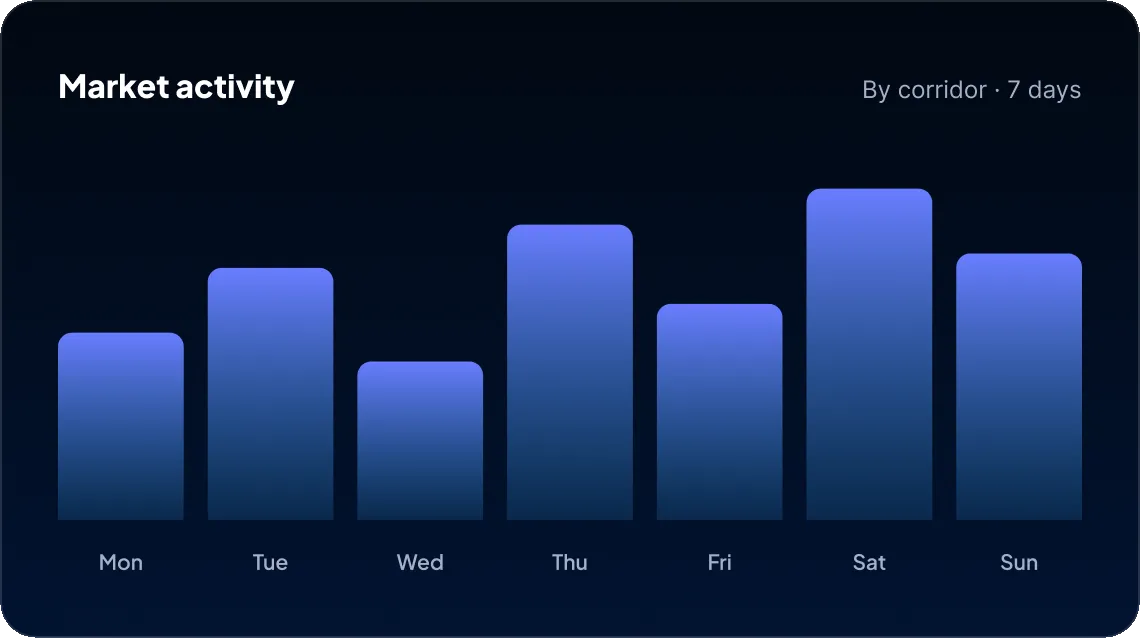
Digital out-of-home advertising should provide stronger visibility than traditional outdoor media buying.
With Pulse by Sirius Reporting, organizations can gain clearer insight into campaign delivery, market activity, screen performance, geographic trends, creative activity, and attribution-related signals.
Reporting may include:
The goal is not simply to show that digital out-of-home placements ran. The goal is to understand how DOOH advertising contributes to the larger media strategy.
Digital out-of-home advertising is valuable for industries that need market visibility, physical-world presence, and high-impact audience reach.
Each campaign can be shaped around market conditions, geography, seasonality, competitive pressure, event activity, venue context, screen availability, and conversion goals.
Digital out-of-home advertising becomes stronger when it works as part of a connected media strategy.
A user may encounter a brand through a digital billboard, later see a display ad, hear a streaming audio message, view a mobile placement, pass through a GeoFenced area, watch a video ad, or engage with a Connected TV placement. DOOH can create the physical-world visibility that strengthens the rest of the campaign.
This makes digital out-of-home a high-impact awareness and reinforcement channel inside an omnichannel programmatic strategy.
DOOH can support:
Sirius Ads brings DOOH advertising into a larger media-buying ecosystem built around premium screen inventory access, market strategy, strategic execution, and performance visibility.
DOOH campaigns are supported by Pulse by Sirius, connecting market strategy, media activation, reporting, and optimization inside a more accountable media-buying framework.
Campaigns can be activated across digital billboards, venue screens, transit displays, retail screens, campus screens, and other quality DOOH environments.
DOOH campaigns are shaped around the cities, corridors, venues, screen environments, and market conditions that matter most to the organization’s goals.
Pulse by Sirius reporting helps organizations see how DOOH contributes to campaign delivery, market visibility, geographic performance, and broader media strategy.
Digital out-of-home advertising is planned as part of a larger growth system, not as an isolated outdoor media buy.
Digital out-of-home advertising, also known as DOOH advertising, uses digital screens in physical environments to reach audiences. These placements may include digital billboards, transit displays, venue screens, retail media displays, campus screens, and other place-based digital media.
Programmatic DOOH uses data-informed media buying to activate digital out-of-home placements with more flexibility, market control, placement strategy, and reporting visibility than traditional static outdoor media buying.
Yes. Digital billboard advertising is one of the most recognizable forms of digital out-of-home advertising. It allows organizations to build high-impact visibility across roads, corridors, cities, and market areas.
Examples of DOOH placements include digital billboards, transit screens, airport displays, venue screens, campus displays, retail media screens, office building screens, entertainment district placements, and other place-based digital media.
No. DOOH advertising focuses on paid screen-based placements in physical environments. GeoFencing focuses on building audiences based on location behavior and using those audiences for targeted media delivery.
DOOH advertising can reinforce campaigns across display, mobile, audio, video, Connected TV, native, GeoFencing, email, and retargeting channels. It helps connect physical-world visibility with broader media execution.
Sirius Ads uses DOOH advertising as part of a larger media-buying ecosystem supported by Pulse by Sirius, premium screen inventory access, market strategy, reporting visibility, and strategic omnichannel execution.
Digital out-of-home advertising gives organizations real-world visibility with the flexibility and intelligence of programmatic media buying.
Sirius Ads helps organizations use DOOH advertising with stronger market strategy, premium screen access, better reporting visibility, and greater alignment across the media mix.
Through Pulse by Sirius, digital out-of-home campaigns can become part of a smarter, more accountable media-buying system built around premium visibility, strategic execution, and measurable growth.